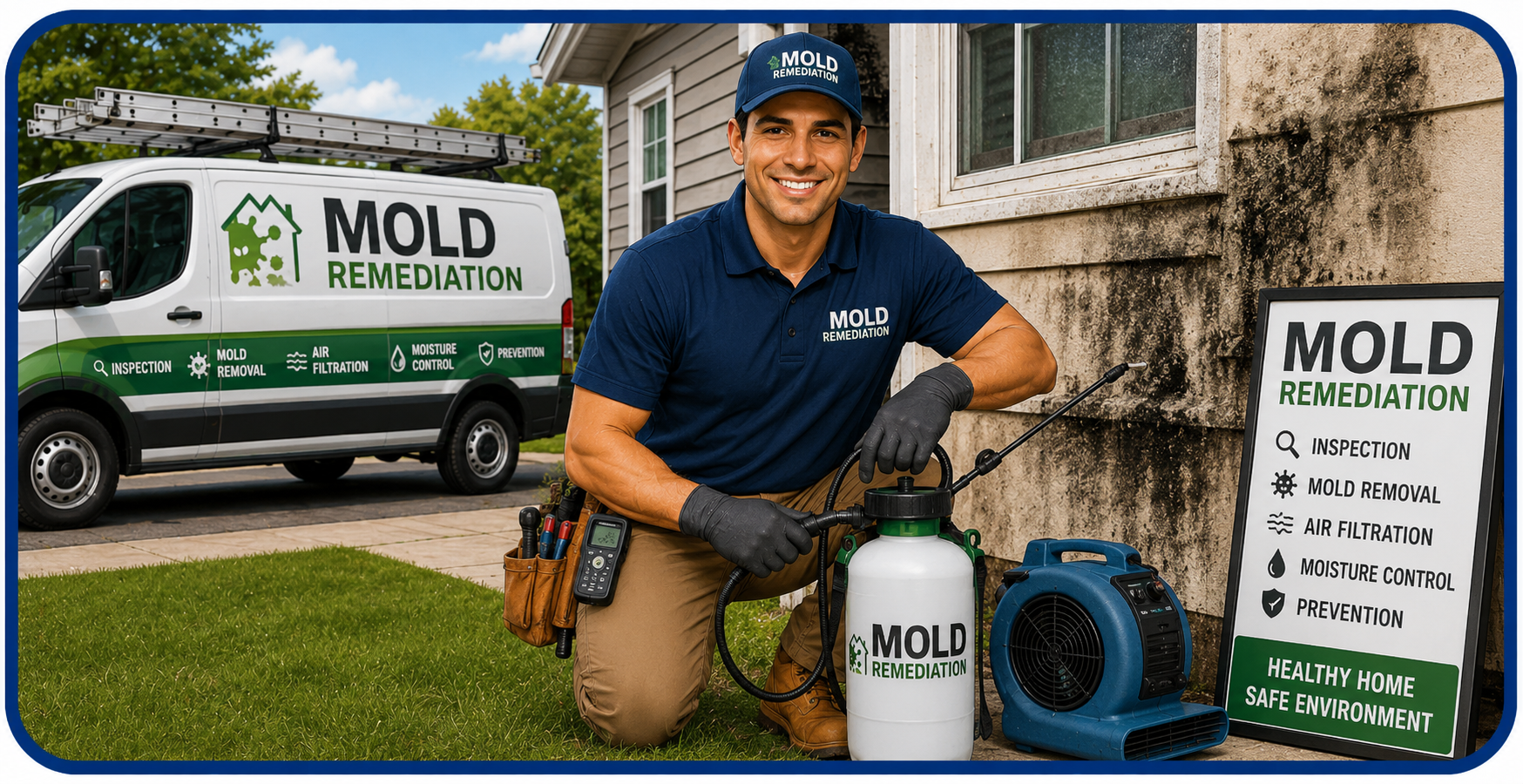
Certified Removal Crew
Mold Removal in Issue, MD
WQB Mold Removal strips active mold colonies from Issue surfaces using HEPA extraction and EPA-registered antimicrobials, not a spray bottle and a prayer.
📞 Call +1-844-578-1604 Now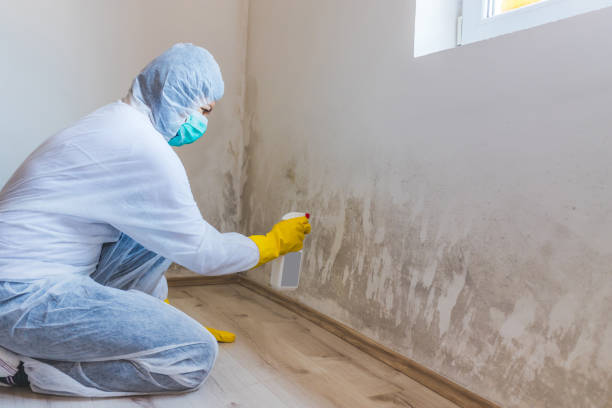
WQB Mold Removal strips active mold colonies from Issue surfaces using HEPA extraction and EPA-registered antimicrobials, not a spray bottle and a prayer.
📞 Call +1-844-578-1604 Now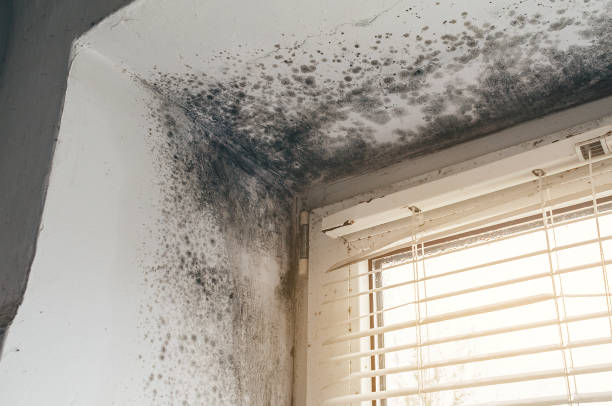
Our Issue removal technicians specialize in fast, targeted treatment: HEPA extraction, EPA-registered antimicrobials, and a follow-up check before we leave.
If an inspection reveals something more extensive, we'll tell you plainly rather than quietly expanding the scope mid-job.
Four reasons Issue property owners trust us with this specific job.
Every Issue job uses HEPA vacuums and air scrubbers rated to capture mold spores, not just visible residue. We track every product used by surface type, so nothing gets applied incorrectly.
You get one number before we start, itemized by surface and square footage. Our Issue vehicles restock daily, so equipment shortages don't delay your appointment.
We staff enough Issue, MD-area crews to avoid a backlog during peak season. We track every product used by surface type, so nothing gets applied incorrectly.
We use EPA-registered antimicrobials rated for the specific surface being treated. Our Issue vehicles restock daily, so equipment shortages don't delay your appointment.
Every Issue job gets scoped to the specific problem, not a generic checklist.
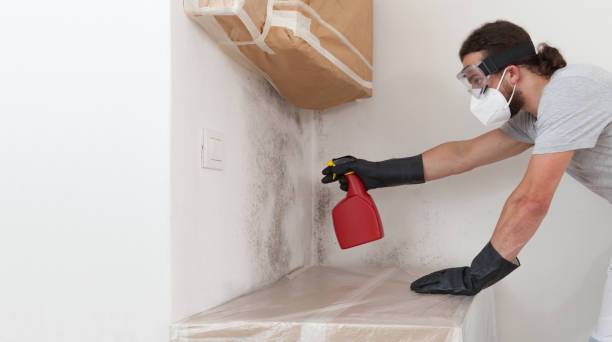
We test the surface afterward to confirm the treatment actually took hold, not just masked the stain.
We sort salvageable items from anything too far gone, so you're not paying to treat what can't be saved.
Fogging works best as a finishing step after visible growth is already physically removed, not as a standalone fix.
Negative-air scrubbers run during the job to pull airborne spores out of circulation before they settle somewhere new.
This step is used selectively — sealing over an active moisture problem just hides it, so we fix the source first.
We won't call a Issue job finished if the space still smells the way it did when we arrived.
No vague timelines — here's what a Issue mold removal call looks like start to finish.
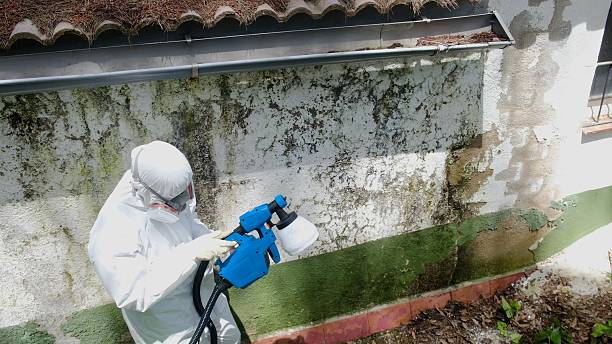
Tell us what you're seeing and we'll get a Mold Removal specialist on the calendar for your Issue property, often same-day. We'll give you a realistic arrival window rather than a vague estimate.
Our nearest available crew heads straight to your Issue address with the gear this job actually needs. You'll get a call or text when the crew is on the way.
We inspect, test where needed, and give you a flat-rate quote before any work begins. Nothing gets added later that wasn't discussed and approved upfront.
The job isn't done until it passes our own check, backed by a written guarantee. We'll walk the space with you before calling it finished.
A few recent stories from mold removal jobs around Issue.
"They pulled mold off our bathroom ceiling and it hasn't come back six months later."|"Saved our dining room furniture instead of telling us to toss it — appreciated that." — Karen L., Issue
"Same-day appointment and the tech was done in under three hours."|"Explained exactly what product they were using and why before starting." — Devon M., Issue
"Quoted one flat price and that's exactly what we paid."|"The musty smell was gone by the time they left, not just the visible spots." — Yolanda P., Issue
One call gets a Issue technician scheduled, often for the same day, with a flat-rate quote before anything starts.
Call +1-844-578-1604Inside our Issue coverage zone, same-day removal appointments are usually available.
Our Issue crews carry everything needed for a same-visit removal in the majority of cases.
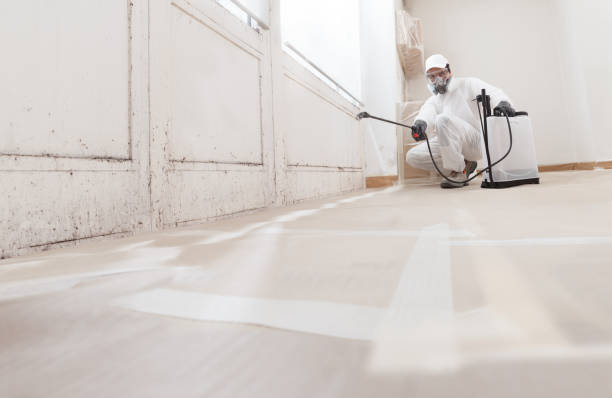
Proudly serving zip codes in Issue, MD including 20645
Answers to what Issue customers ask before booking mold removal.
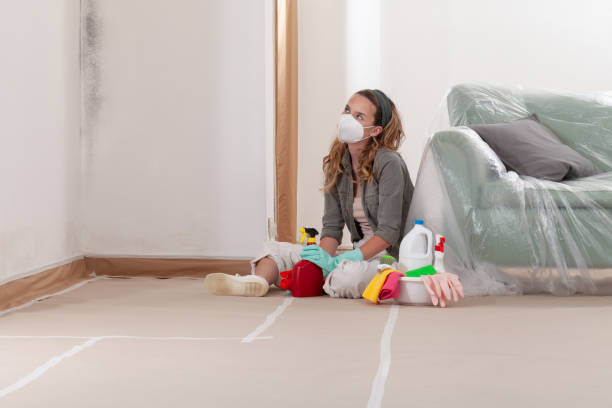
Removal targets active surface growth directly — cleaning, treating, and testing a specific area.
Heavily saturated or crumbling material usually needs replacement, and we'll tell you plainly which category your Issue job falls into.
Our guarantee covers workmanship-related regrowth within the warranty period.
Weekend and after-hours calls still reach a live dispatcher, not voicemail.
We recommend keeping kids and pets out of the treated area until it's fully dry, typically a few hours.